Monster Movie of the Month · October 2026
Bride ofFrankenstein
A monster wants companionship. Science answers with lightning, bandages, and one of the strangest love stories in Hollywood.
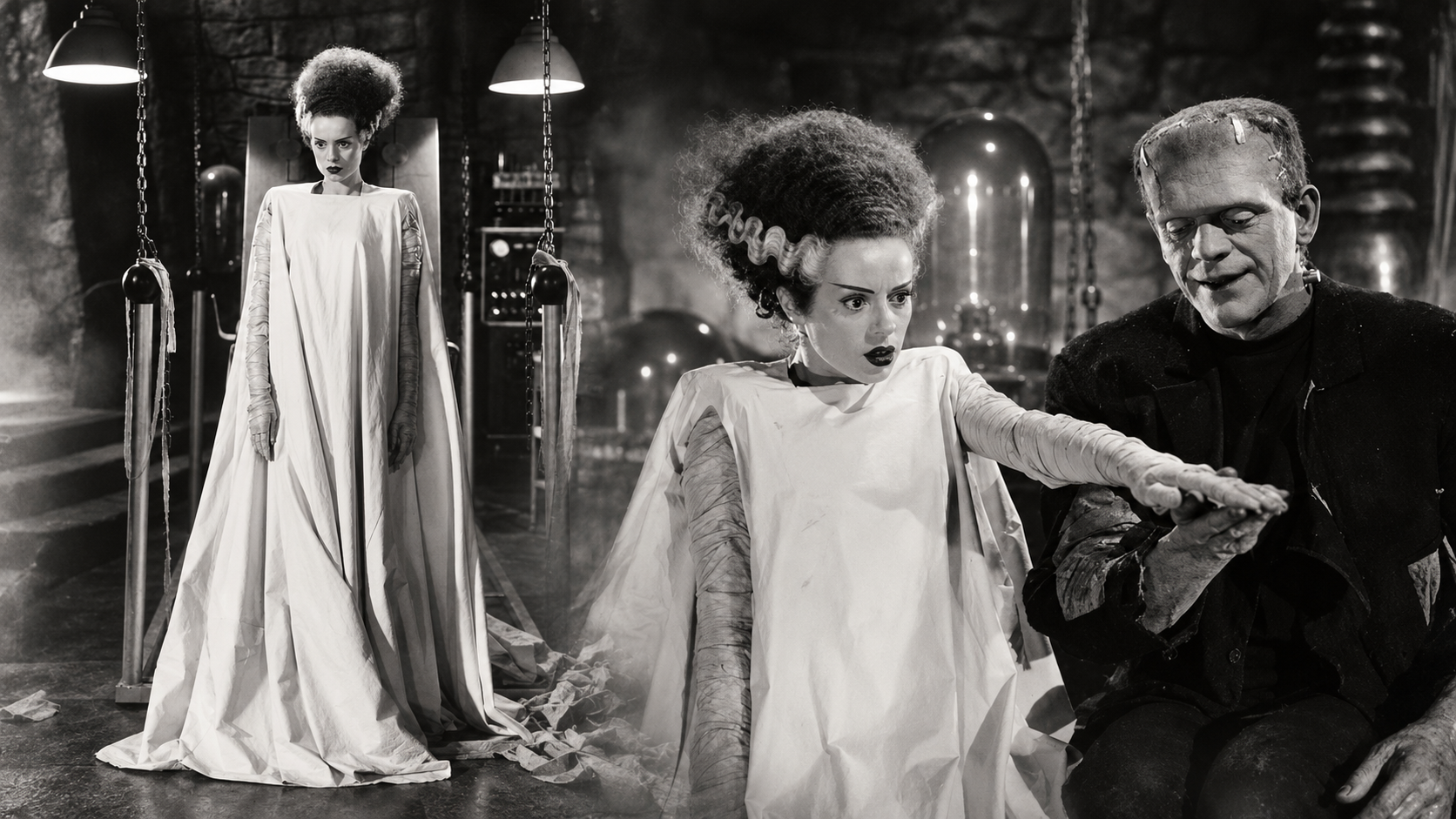
Why this one
Bride of Frankenstein is what happens when a sequel gets stranger, sadder, funnier, and somehow more elegant than the movie that came before it.
James Whale returns to the Monster not simply as a creature to fear, but as someone painfully aware that he is alone. Boris Karloff gives him speech, curiosity, anger, and tenderness. Around him, Whale builds a world that can shift from graveyard Gothic to black comedy in a matter of seconds.
The Bride herself appears only briefly, yet Elsa Lanchester’s lightning-streaked hair, rigid movements, and startled hiss became one of the most durable images in horror. The film is less about the wedding than the impossible hope that creating another being might solve the Monster’s loneliness.
Source: NBCUniversal, 90th Anniversary history ↗Behind the picture
Five details worth knowing
A sequel, but not a repeat
Universal wanted another Frankenstein almost immediately. Whale initially resisted returning, then used the sequel to push farther into dark comedy, melancholy, and theatrical excess rather than simply remake the first film.
Source: NBCUniversal ↗Elsa Lanchester plays creator and creation
Lanchester appears first as Mary Shelley in the film’s prologue and later as the Bride. It turns the movie into a sly hall of mirrors: the woman who imagined Frankenstein also becomes the creature brought to life inside the story.
Source: NBCUniversal ↗The Bride’s hair was built to be unforgettable
Makeup artist Jack Pierce and Whale developed the Bride’s instantly recognizable appearance, including the towering, Nefertiti-inspired hairstyle. Karloff’s Monster was also redesigned to show the scars and damage left by the burning windmill at the end of the 1931 film.
Source: NBCUniversal ↗Franz Waxman gives the monsters themes
Waxman created distinct musical ideas for the Monster, the Bride, and the sinister Dr. Pretorius. NBCUniversal notes that the score was recorded in a single session, including the deliberately jarring final chord that accompanies the climax.
Source: NBCUniversal ↗Even Frankenstein had to answer to the censors
The film was made after enforcement of the Production Code tightened in 1934. Censors objected to religious imagery, comparisons between Frankenstein and God, the number of killings, and material they considered too revealing or suggestive. Whale made cuts before release.
Source: HISTORY ↗Strange stories from the set
Two things to know before you watch
Henry Frankenstein was supposed to die
James Whale originally intended the laboratory explosion to kill Henry Frankenstein and Elizabeth along with the Monster, the Bride, and Dr. Pretorius. After a preview, Whale changed course and shot a new ending that lets Henry and Elizabeth escape.
The alteration left behind a wonderful continuity ghost. In at least one long shot of the collapsing laboratory, Colin Clive can still be seen inside the building even though Henry has supposedly already run to safety. Once you know where to look, it is hard not to watch the explosion for him.
Source: Turner Classic Movies ↗The Monster hurt himself on his first scene
Karloff’s first appearance was filmed in the flooded cellar beneath the burned windmill. To keep him dry, he wore a rubber suit under the Monster costume. According to TCM, the suit trapped air and inflated in the water, throwing off his footing and causing him to dislocate his hip.
The injury was only part of an exhausting shoot. The heavy costume aggravated Karloff’s arthritis, he lost about 20 pounds during production, and he often had to lie down between takes. The physical strain is easy to forget because the performance itself feels so controlled.
Source: Turner Classic Movies ↗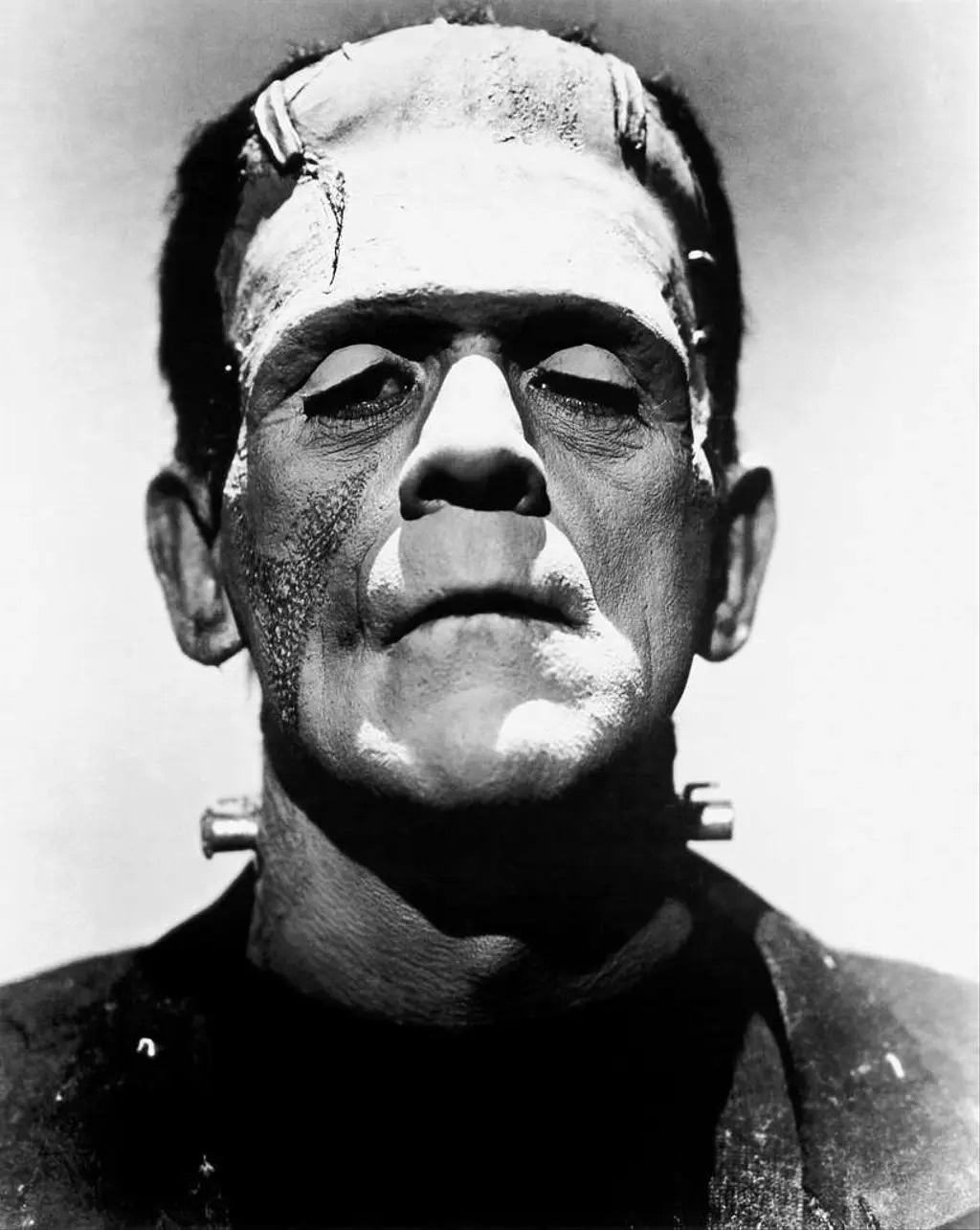
The face of the Monster
Karloff makes him human
Karloff objected to giving the Monster dialogue, fearing that speech would diminish the strange, childlike quality he had created in Frankenstein. Yet his few halting words in the sequel deepen the character rather than domesticate him.
Look closely at the performance around the dialogue: the tilted head, the searching eyes, the sudden flashes of anger, and the almost embarrassed pleasure when the Monster discovers friendship. The makeup is iconic, but the performance underneath it is the reason the Monster remains moving rather than merely grotesque.
Source: NBCUniversal ↗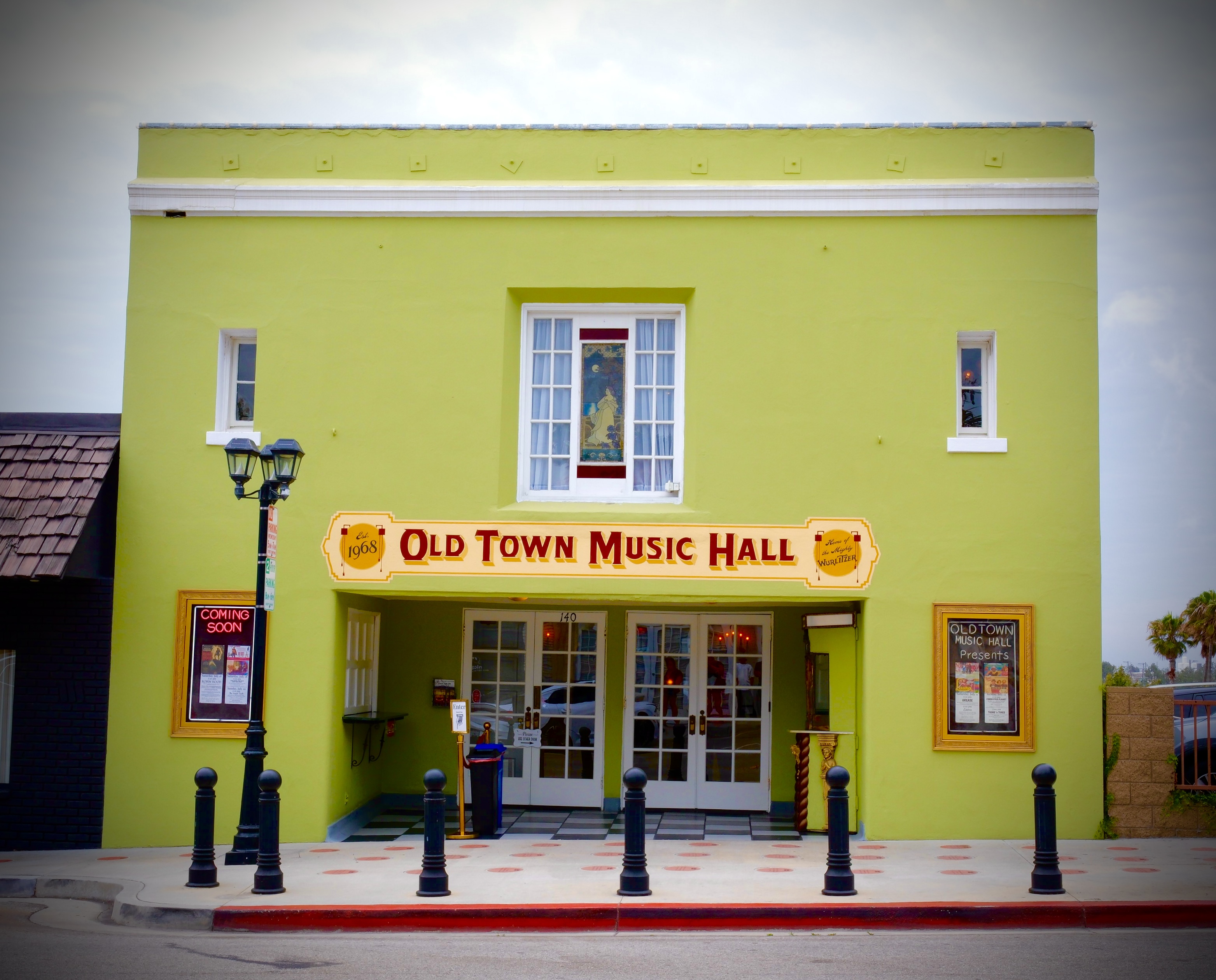
The house showing it
A monster movie in a 1921 movie house
Old Town Music Hall is unusually well matched to this kind of picture. The El Segundo theater was built in 1921 during the silent era. In the 1960s, musicians Bill Coffman and Bill Field installed a Mighty Wurlitzer theater organ from the Fox West Theatre in Long Beach and opened Old Town Music Hall in 1968.
The 1925 Wurlitzer has more than 2,000 pipes, four keyboards, 260 switches, and controls for percussion including drums, cymbals, xylophone, marimba, and piano. Silent features are still presented there with live organ accompaniment.
For Bride of Frankenstein, the feature itself is not a silent presentation, but the house still begins the program in old-show fashion: organ music and a sing-along before the movie.
Source: Old Town Music Hall history ↗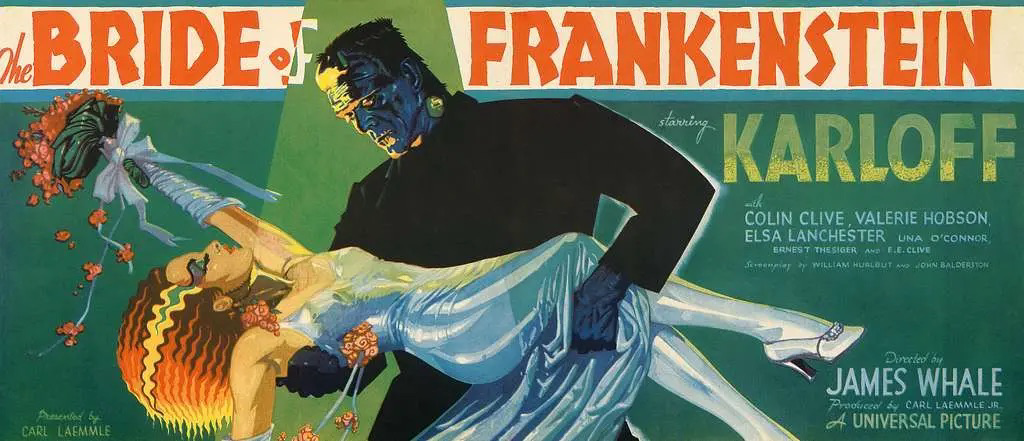
On your next viewing
Look a little closer
The Monster can finally talk
Karloff’s performance changes once the Monster gains language. Notice how the simple words do not make him less frightening; they make his isolation much more specific.
Pretorius steals the movie quietly
Ernest Thesiger’s Dr. Pretorius is funny, elegant, sinister, and completely at ease with the grotesque. Watch how often he treats the impossible as if it were merely another social engagement.
The comedy is part of the horror
Whale repeatedly lets absurdity sit beside death and loneliness. The tonal collisions are intentional; the movie feels more uncanny because it refuses to stay solemn.
The Bride barely needs screen time
Pay attention to how carefully the film delays her arrival. By the time she stands up, the hairstyle, sound, movement, lighting, and editing have already turned her into an event.
Spoiler corner: the cruelest part of the ending
The tragedy is not that the Bride is monstrous. It is that she immediately recoils from the Monster who believes she was created for him. Whale lets the moment play as rejection rather than triumph, and the finale becomes less about destruction than the Monster understanding that even a manufactured companion cannot be forced to love him.
For the Shelf
Bring the monsters home
Bride of Frankenstein is available as part of a Universal Monsters film collection on Amazon.
Purchases through this link support Old Movies Tonight. As an Amazon Associate we earn from qualifying purchases.